Chinese Learning Guide: Introduction to Writing and Reading
Start your Chinese learning journey. This tutorial covers ideographic writing (characters like 山, 水, 火, 田) and the Pinyin phonetic system.
Welcome to the World of Chinese Learning
Chinese is one of the oldest and most widely spoken languages in the world. Unlike alphabetic languages, Chinese is an ideographic writing system where each character carries rich cultural meaning. This tutorial will help you take your first step in learning Chinese.
Writing: The Charm of Ideographic Characters
What are Ideographic Characters?
Ideographic writing uses symbols to express meaning. Each Chinese character is not just a symbol, but a picture and a story.
The Origin of Chinese Characters: From Pictures to Writing
Chinese characters originated thousands of years ago from oracle bone inscriptions and bronze inscriptions. Early characters were depictions of natural objects, which gradually became abstract and symbolic over time.
Examples: Characters from Nature
Let’s look at some representative ideographic characters:
山 (shān) - Mountain
The character 山 looks like three peaks standing together.

- Pronunciation: shān
- Meaning: 地面上由土石构成的隆起部分
水 (shuǐ) - Water
The character 水 depicts the flowing form of water.
水

- Pronunciation: shuǐ
- Meaning: 无色无味的液体,生命之源
火 (huǒ) - Fire
The character 火 looks like a burning flame.
火

- Pronunciation: huǒ
- Meaning: 物体燃烧时产生的光和热
田 (tián) - Field
The character 田 depicts neatly divided farmland.
田
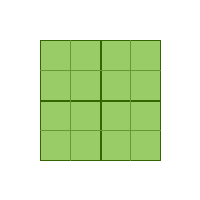
- Pronunciation: tián
- Meaning: 种植农作物的土地
More Examples of Ideographic Characters
| Character | Pinyin | Meaning | Visual Association |
|---|---|---|---|
| 日 | rì | Sun | 圆形的太阳 |
| 月 | yuè | Moon | 弯弯的月亮 |
| 人 | rén | Person | 站立的人形 |
| 口 | kǒu | Mouth | 张开的嘴巴 |
| 手 | shǒu | Hand | 五指张开的手 |
| 木 | mù | Tree | 树木的形状 |
| 土 | tǔ | Earth | 地面上的土堆 |
| 石 | shí | Stone | 石头的形状 |
Key Points for Learning Writing
- Observe the shape: Each character has its unique structure and strokes
- Stroke order: Chinese characters have fixed stroke order rules
- Radicals: Many characters share common radicals, learning them helps with memorization
- Practice: Consistent practice is the key to mastering character writing
Reading: The World of Pinyin
What is Pinyin?
Pinyin (拼音, Pīnyīn) is the phonetic transcription system for Chinese characters. It uses the Latin alphabet to represent the pronunciation of Mandarin Chinese, making it an essential tool for beginners.
The Structure of Pinyin
A complete Pinyin syllable consists of three main components:
- Initials (声母, Shēngmǔ): Consonant sounds at the beginning of a syllable
- Finals (韵母, Yùnmǔ): Vowel sounds in a syllable
- Tones (声调, Shēngdiào): The pitch contour of pronunciation
Initials (23)
Initials are the consonant sounds that begin a syllable:
| Initial | Approximate Sound | Initial | Approximate Sound | Initial | Approximate Sound |
|---|---|---|---|---|---|
| b | as in “bo” | p | as in “po” | m | as in “mo” |
| f | as in “fo” | d | as in “de” | t | as in “te” |
| n | as in “ne” | l | as in “le” | g | as in “ge” |
| k | as in “ke” | h | as in “he” | j | as in “ji” |
| q | as in “qi” | x | as in “xi” | zh | as in “zhi” |
| ch | as in “chi” | sh | as in “shi” | r | as in “ri” |
| z | as in “zi” | c | as in “ci” | s | as in “si” |
| y | as in “yi” | w | as in “wu” |
Finals (24)
Finals are the vowel sounds in a syllable, which can be single vowels or vowel combinations:
Simple Finals (6):
- a, o, e, i, u, ü
Compound Finals (9):
- ai, ei, ao, ou, ia, ie, ua, uo, üe
Nasal Finals (9):
- an, en, in, un, ün, ang, eng, ing, ong
Tones (4 + Neutral)
Tones are the soul of Chinese pronunciation. The same syllable with different tones has completely different meanings.
| Tone | Symbol | Name | Example |
|---|---|---|---|
| First Tone | ˉ | Yin Ping | 妈 mā |
| Second Tone | ˊ | Yang Ping | 麻 má |
| Third Tone | ˇ | Shang Sheng | 马 mǎ |
| Fourth Tone | ˋ | Qu Sheng | 骂 mà |
| Neutral Tone | · | Qing Sheng | 吗 ma |
How to Use Pinyin
1. Tone Mark Placement
Tone marks are placed on the main vowel, following this order:
- a → o → e → i → u → ü
Examples:
- 妈 (mā) - tone mark on a
- 妹 (mèi) - tone mark on e
- 牛 (niú) - tone mark on u
2. Spelling Rules
-
j, q, x with ü: ü is written as u after j, q, x
- 居 (jū) not jǖ
- 区 (qū) not qǖ
- 虚 (xū) not xǖ
-
y and w: When i or u forms a syllable alone, they are written as yi, wu
- 衣 (yī) not ī
- 乌 (wū) not ū
3. Pinyin and Character Correspondence
One Pinyin can correspond to multiple characters. Context is needed to determine the correct one:
Examples:
- shān: 山、删、衫、珊
- shuǐ: 水、税、睡、谁
Uses of Pinyin
- Learning Pronunciation: Helps beginners pronounce Chinese characters correctly
- Input Method: The most common method for typing Chinese on computers and phones
- Dictionary Look-up: Most Chinese dictionaries use Pinyin for organizing entries
- Phonetic Annotation: Pinyin is commonly used in children’s books and learning materials
Combining Writing and Reading
When learning Chinese, writing and reading complement each other:
- Read before write: Learn correct pronunciation first, then learn writing
- Combine sound, form, and meaning: Memorize pronunciation, shape, and meaning together
- Listen and speak more: Use audio resources and practice speaking aloud
- Read and write regularly: Reinforce understanding through reading and writing practice
Learning Tips
For Beginners
- Master Pinyin: Spend one week learning initials, finals, and tones thoroughly
- Learn basic strokes: Horizontal, vertical, left-falling, right-falling, dot, and turning strokes
- Start with simple characters: Begin with standalone characters like 日, 月, 水, 火
- Practice daily: Spend 15-30 minutes each day learning and practicing
For Advanced Learning
- Learn radicals: Understand the composition rules of Chinese characters
- Read simple texts: Start with simple sentences and short passages
- Practice writing: Write characters following correct stroke order
- Use learning tools: Utilize dictionaries, apps, and other resources
Conclusion
Learning Chinese is a journey full of fun and challenges. By understanding the charm of ideographic characters and mastering Pinyin, you will gradually uncover the mysteries of the Chinese language. Remember, persistence and patience are the keys to success. Happy learning!